
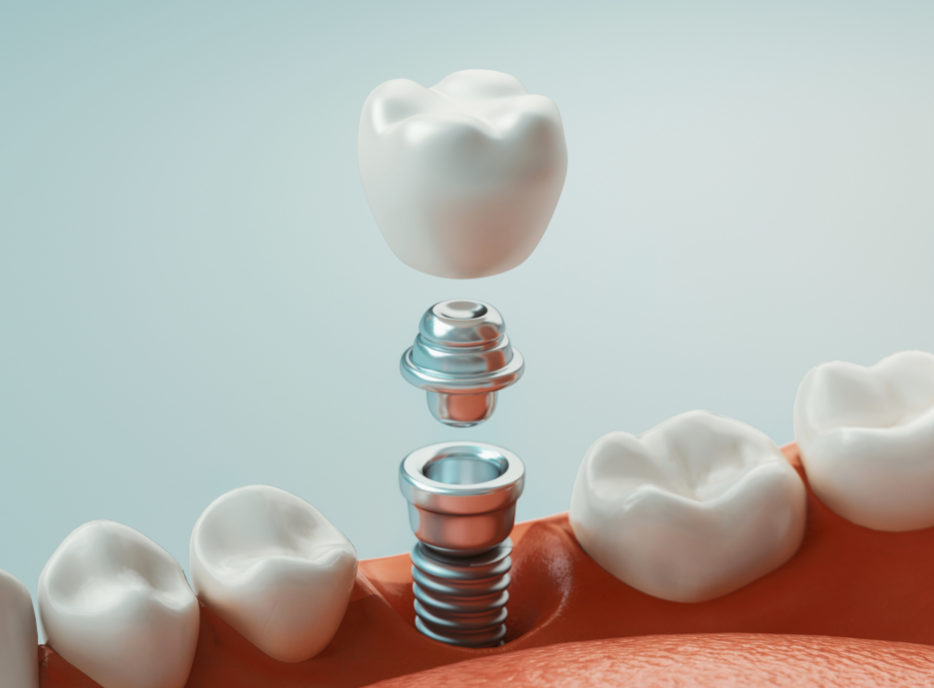
Dental implants are widely considered the gold standard for replacing missing teeth, but many patients understandably want to know what the treatment will cost. Unlike more standardized procedures, dental implants are highly personalized, which means pricing can vary significantly from one person to another. Several key factors influence the overall cost, and understanding them can help you feel more confident as you explore your options.
Number of Implants Needed
One of the most obvious factors affecting cost is how many implants are required. Replacing a single missing tooth will naturally cost less than restoring multiple teeth or an entire arch. In some cases, strategically placed implants may be used to support bridges or dentures, which can reduce the number of implants needed while still providing stable results.
Bone Health and Preparatory Procedures
Dental implants rely on a strong, healthy jawbone for support. If bone loss has occurred due to missing teeth, gum disease, or long-term denture use, additional procedures may be needed before implant placement. Bone grafting or sinus lifts can add to the overall cost, but they are often essential for long-term implant success.
These preparatory treatments help create a solid foundation, increasing both the predictability and lifespan of the implant.
Type of Implant and Restoration
Not all implants and restorations are the same. The materials used for the implant post and the final crown can influence cost. High-quality, durable materials are designed to last for decades and closely mimic the look and function of natural teeth.
The complexity of the restoration also matters. A custom-crafted crown designed to blend seamlessly with surrounding teeth may require additional time and expertise.
Location of the Implant
Where the implant is placed in the mouth can affect pricing. Front teeth often require more detailed aesthetic planning, while molars must withstand stronger chewing forces. Each area presents unique challenges that may influence the treatment approach and overall cost.
Experience and Technology
The training and experience of the dental provider, along with the technology used during planning and placement, also play a role. Advanced imaging and guided placement techniques can improve accuracy and outcomes, contributing to the long-term success of the implant.
Financing and Payment Options
Because dental implants are an investment in long-term oral health, many practices offer financing options to help make treatment more manageable. Payment plans and third-party financing can spread the cost over time, allowing patients to move forward with care without delaying treatment due to budget concerns.
The cost of dental implants reflects the precision, planning, and personalized care involved in restoring your smile.
About the Practice
Dr. Christopher Capehart of Capehart Dental of Lewisville specializes in comprehensive dental implant care designed to restore function, comfort, and confidence. Our experienced dental team takes a personalized approach, carefully evaluating each patient’s oral health, goals, and needs before creating a customized treatment plan. By combining modern dental technology with a patient-focused philosophy, Capehart Dentistry of Lewisville strives to make high-quality implant care accessible, predictable, and tailored to each individual.
Call us at (972) 436-1325 or request an appointment online.